The Grand Snail Tour projectby Urbane Künste Ruhr is the second stop in a research initiative covering a total of eight art spaces, art associations and initiatives in eastern and western Germany, which precedes the ‘Dialogfelder’ and artistic residencies in 2027.
What these venues have in common is that they operate in communities and regions that are, in various ways, shaped by processes of transformation. The focus is on an exchange of ideas regarding how they respond to social, spatial and structural changes, and what strategies they develop to address them.
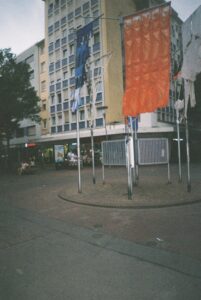
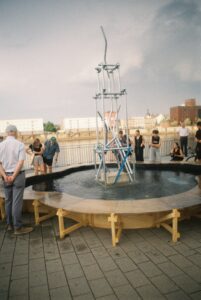
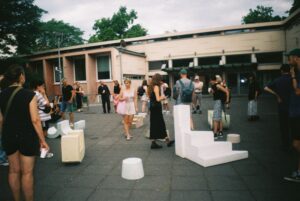
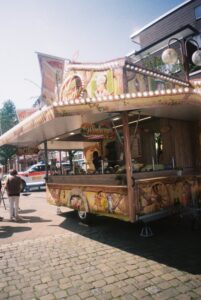
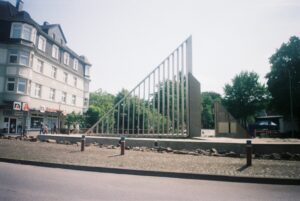
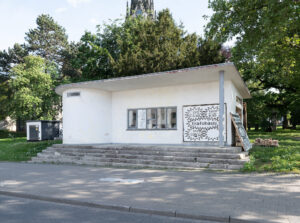
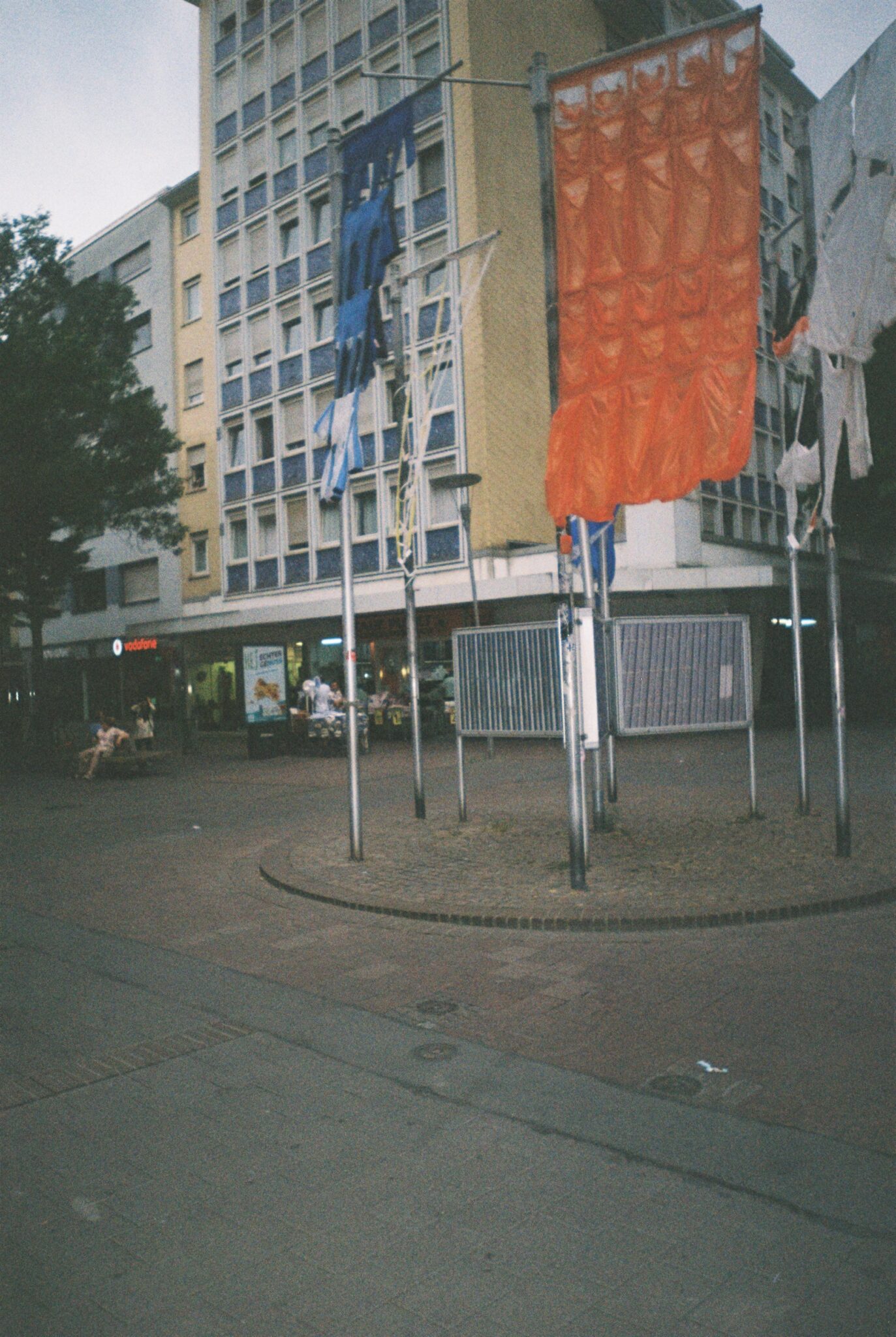
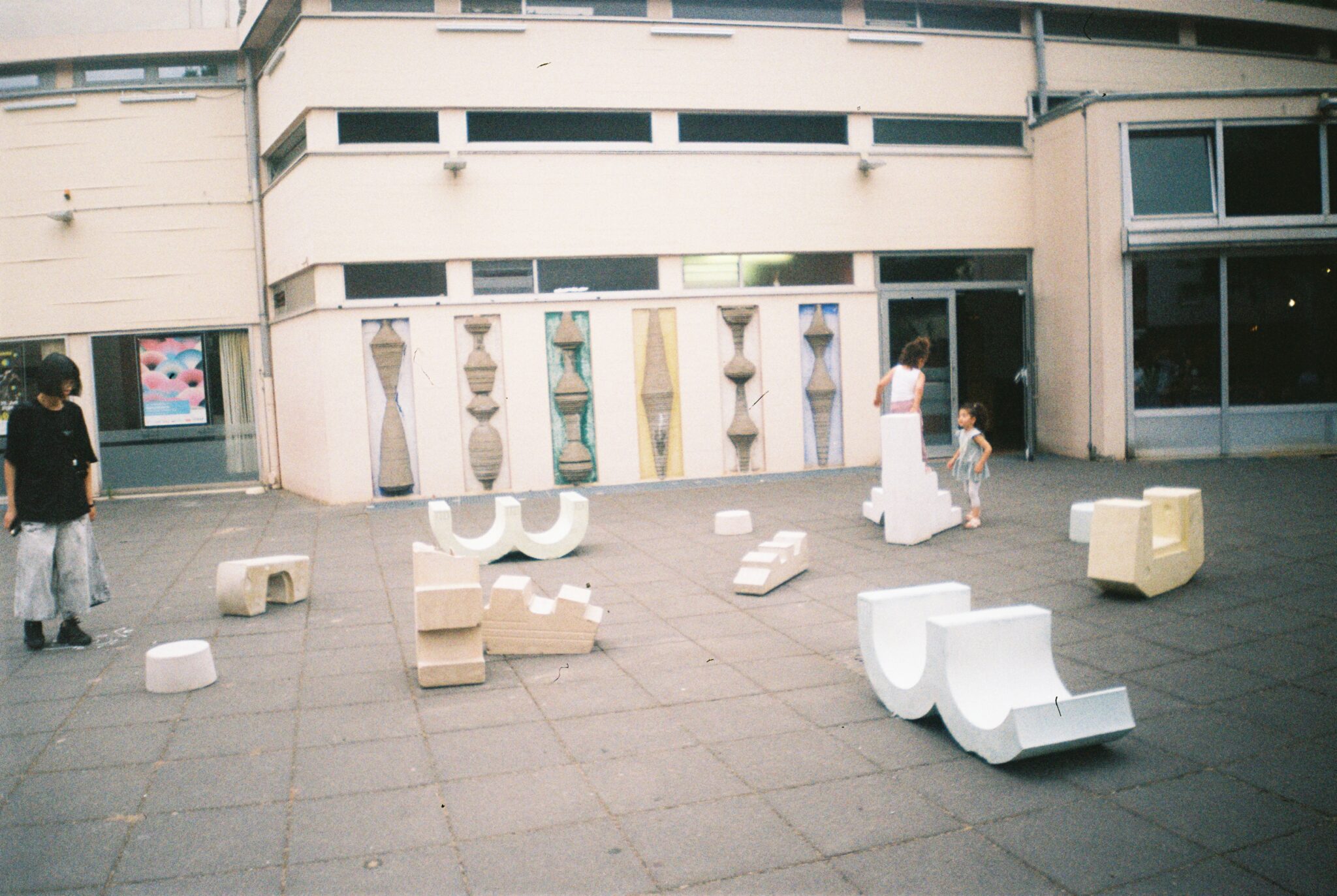
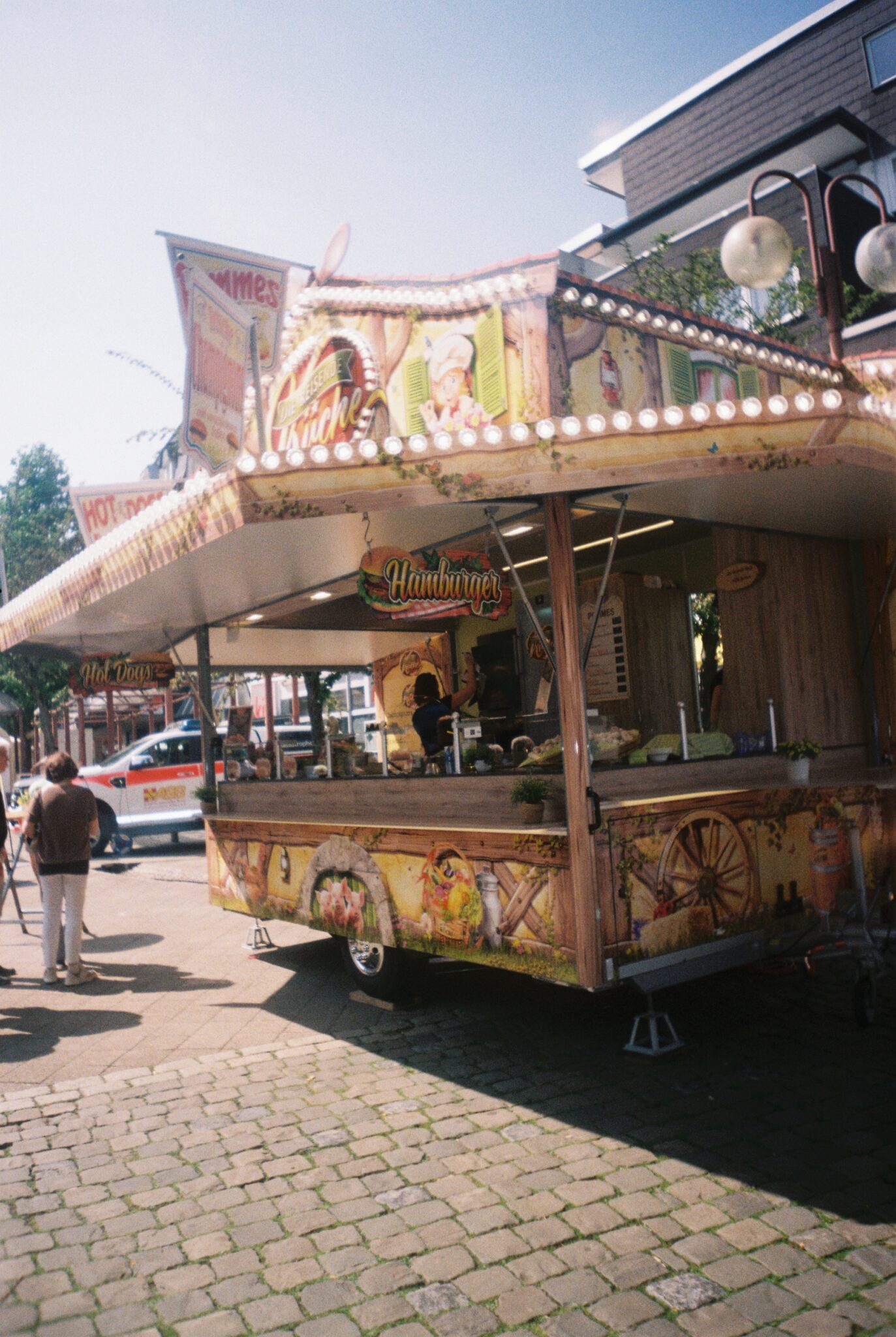
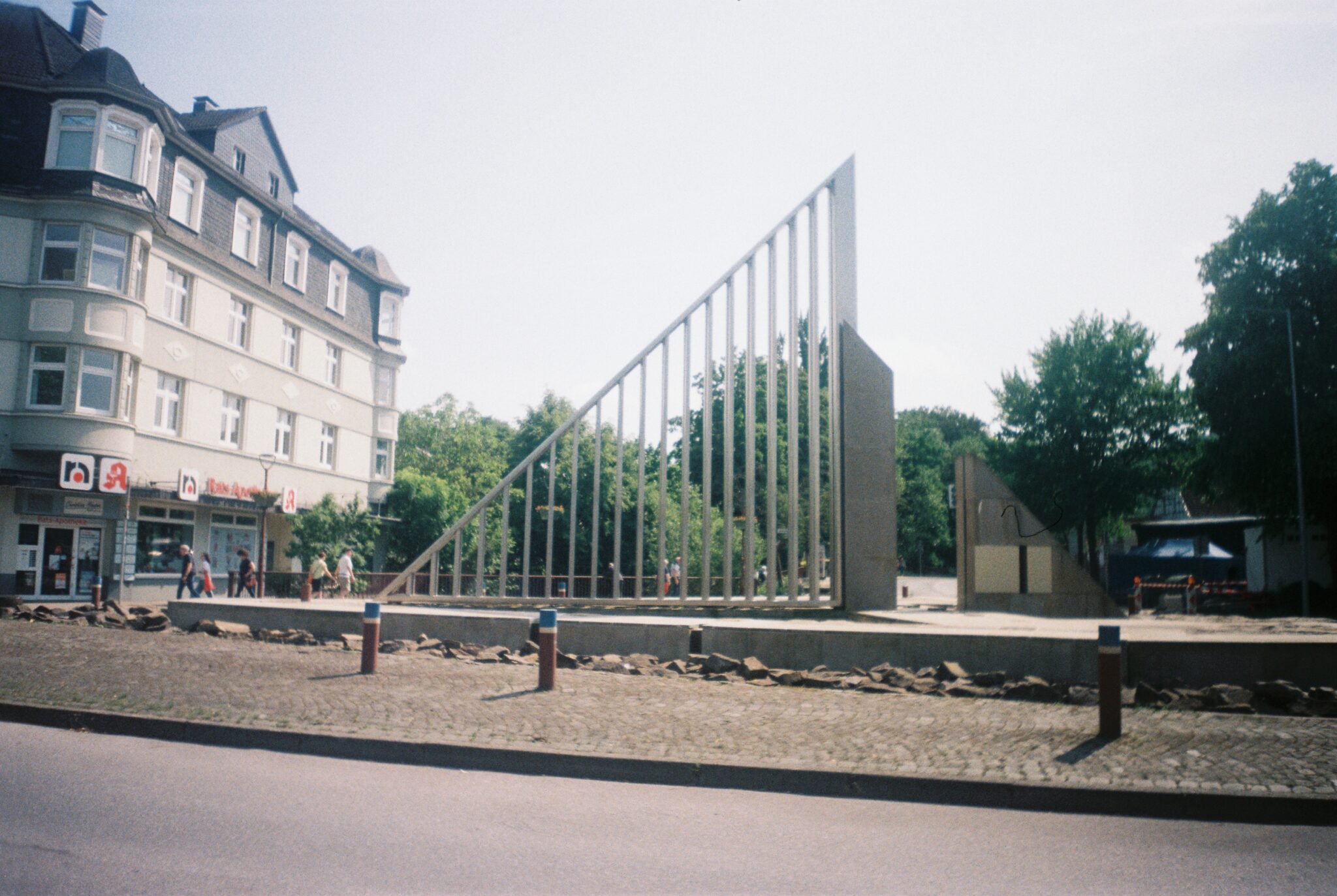
It is Boulevard Gevelsberg. Mittelstraße, normally a shopping street, becomes, for three days, a makeshift conglomeration of the typical elements needed to make a town festival a town festival. As if one had witnessed this interplay countless times before, the arrangement in this town somehow still veers into discord. The Polish-German artist Janusz Hajduk-Gubalke recognised as early as 1989 that this small town is not easily deciphered. On a metal plate at Gevelsberg’s sculptural town emblem, the ‘Stadtharfe’, one finds the Sator Square: an enigmatic inscription from antiquity that can be read in several directions.
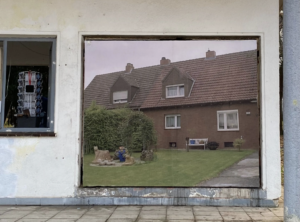
When you arrive in Gevelsberg, you get the feeling that something is fraying here. This is because the West German town, with its population of just under 30,000, lies at the point where the Ruhr region begins to dissolve. The high density of the Ruhr region gives way here to a hilly landscape, and the area feels neither distinctly like the ‘Pott’ nor distinctly like the Bergisches Land. Gevelsberg is not on the main route, but can be reached from Dortmund in a short time by the Regional Express. The connections are good, even in the evenings. And so Gevelsberg’s double-track station forms part of the Ruhr Metropolis’s tightly-knit infrastructure, making it one of its 53 cities.
53
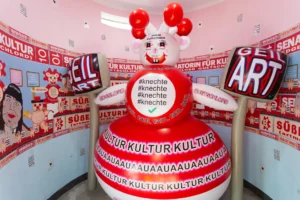
One of 53 and, at the same time, the 29th. This is not an actual administrative number, but rather a stop on a tour following a logic modelled on the shape of a snail’s shell: the Grand Snail Tour. A three-year spiral journey through the Ruhr region, visiting all the cities that make it up. Public spaces are transformed into temporary exhibition venues, and art is actively brought out into the regions. The project is initiated by Urbane Künste Ruhr.
Just as a snail’s shell grows from the inside out, the tour builds up from the periphery towards a central point. Starting in Xanten – in the west of the Ruhr region – it first moves northwards, then heads east, and finally heads south. This rotational pattern continues until it reaches Herne. However, Herne – number 53 on the route – is by no means the declared destination, nor is it the ‘final’ stop. On the Grand Snail Tour, every stop is given equal attention. In a metropolitan region with five million inhabitants, there are many voices ,and so the Grand Snail Tour reveals alternative perspectives on the superstructure of a region shaped by coal mining and the steel industry – a legacy that continues to define its identity to this day.
What you see when you don’t go straight ahead
How does one interpret a region’s perspectives and trends? To understand a region’s developments, it is wise not to adopt a linear perspective, but to move in meandering paths. This is how transformation can be understood. In three years’ time, change will become apparent. Not just structurally. Election results, the political mood and the accompanying social shifts will also be felt. Following the principle of circular movements, one repeatedly finds oneself in the vicinity of a region previously visited. In this way, differences from place to place over time can also be recognised. Time is a factor of no small significance here. In a three-year project, the pace is comparatively slow compared with regular exhibition cycles, butit is not rigid.
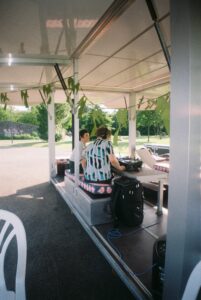
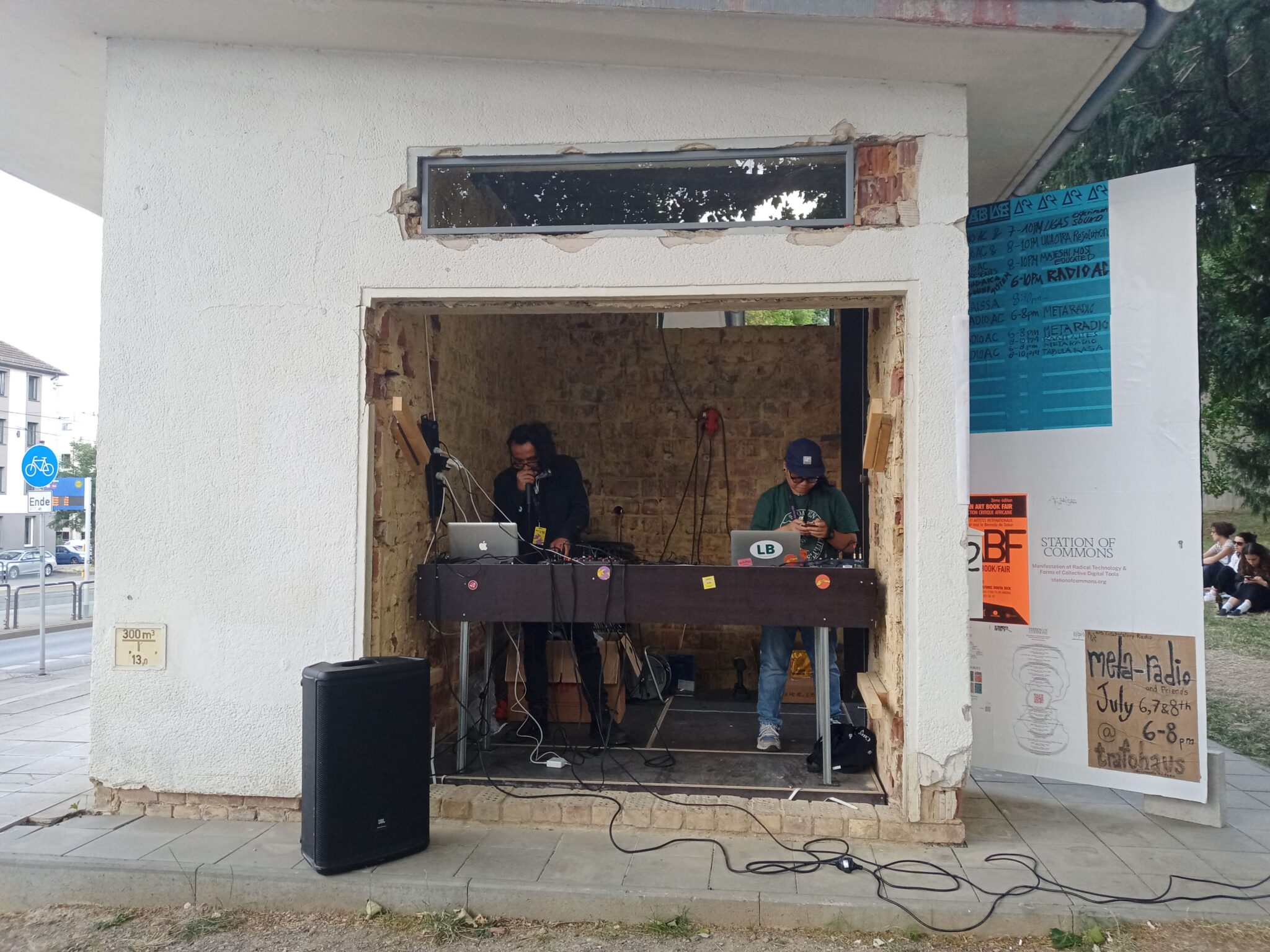
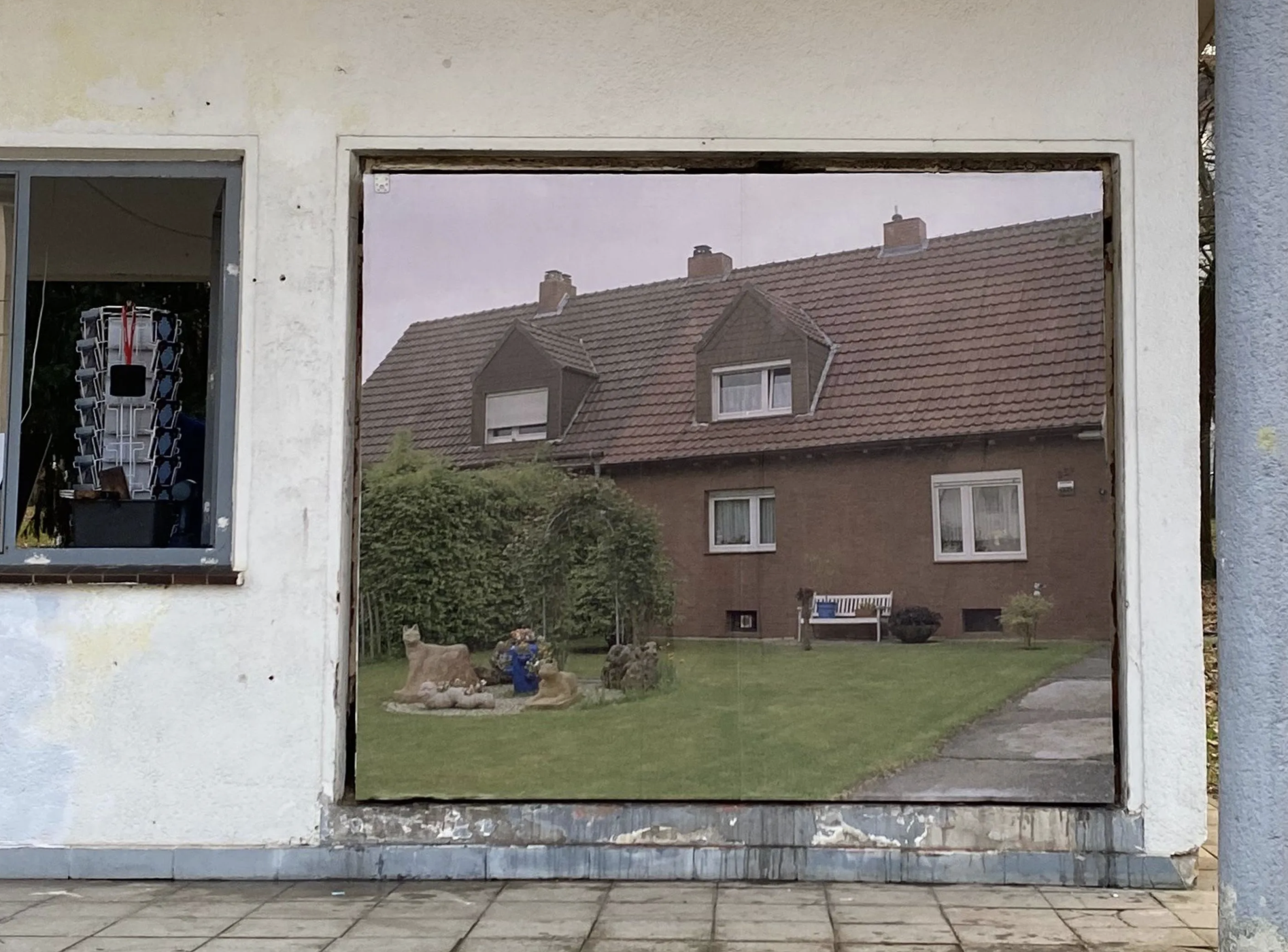
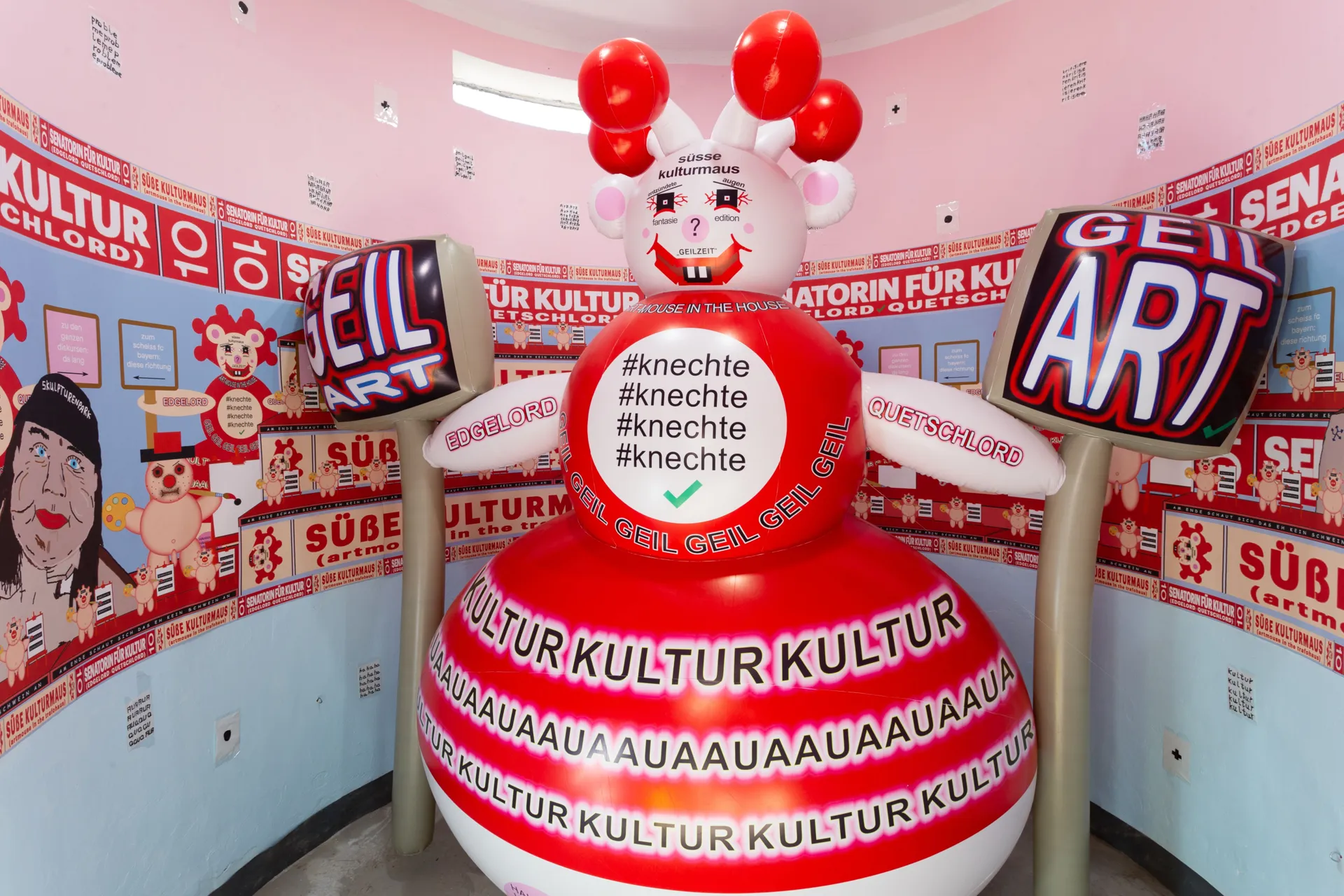
When mobility becomes the starting point, the question of the form it should take inevitably becomes a challenge. How can an exhibition space travel? The answer was found in a market trailer, which was adapted for the project. The stops take place every two weeks, usually on Thursdays. They are planned four to six months in advance. A curatorial role was created specifically for this task, which is held by Julian Rauter. The venues, local participants and the programme for each stop are carefully selected by the team – not least for administrative reasons. At the same time, circumstances can change, even spontaneously. Coping with this is part of the project and is perhaps even what it is secretly all about.
The Grand Snail Tour is therefore also the result of a shift in thinking about how we organise exhibitions. The individual stops are designed as processes. This allows us to adapt to changes and respond to the unexpected, says Britta Peters, artistic director of Urbane Künste Ruhr. By remaining more adaptable and removing the time pressure that often dictates the creation of exhibitions, more granular and nuanced formats emerge, which simultaneously challenge us to continually re-examine and reassess our own work.
A tour within a tour
To arrive, one must first set off. That is why the day in Gevelsberg is being rewound. For the Grand Snail Tour, it begins around 15 kilometres further north.
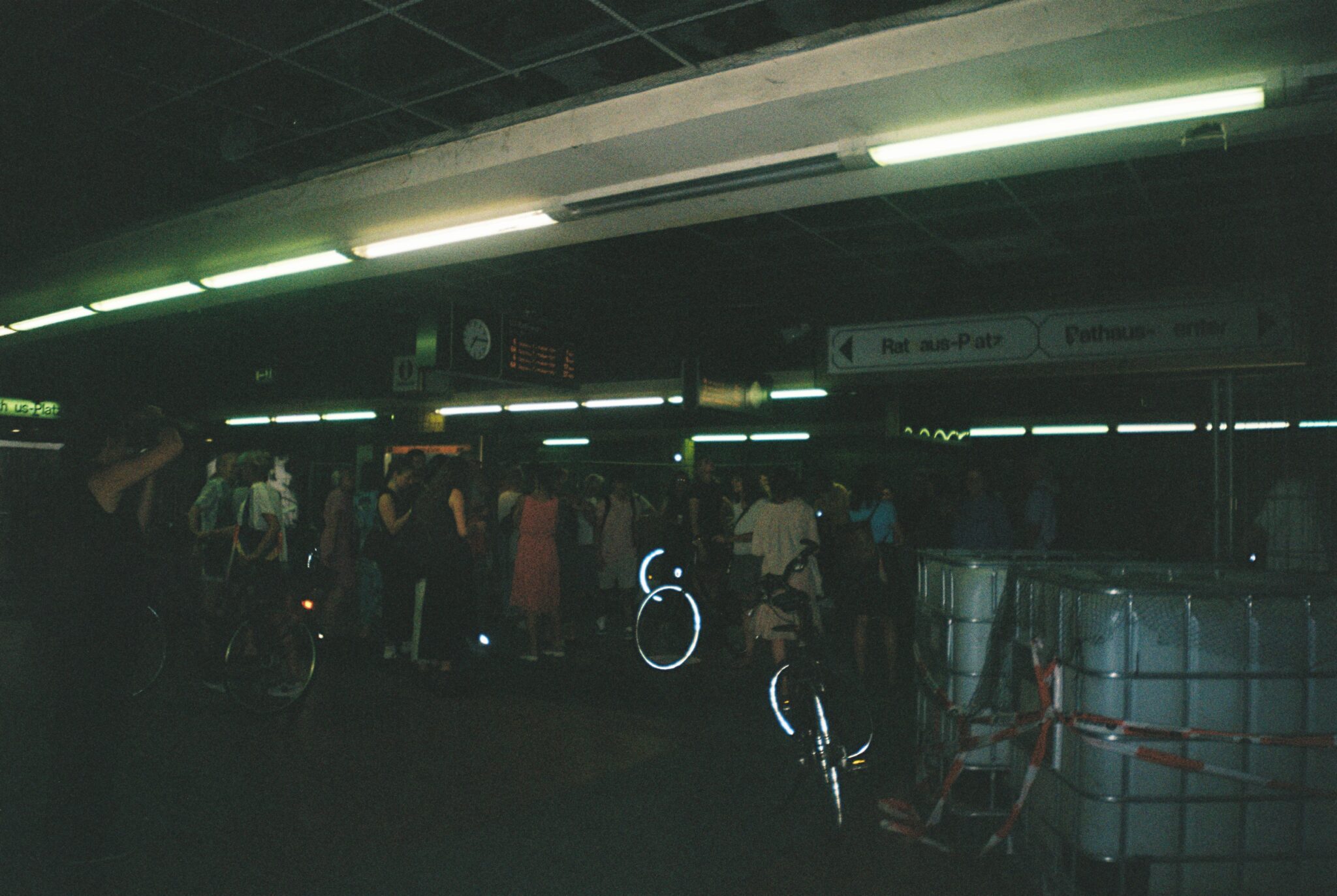
The starting point is Sprockhövel, stop number 28. The connecting element – and at the same time the day’s actual artistic intervention – is a walk with the Cologne-based artist Boris Sievert. From Sprockhövel, the day trip winds its way through the region. It follows the traces of transformations that have become inscribed in the architecture, infrastructure and the realities of the residents. Starting in the countryside, the route leads past industrial landscapes and right through the city. Since 2000 , through his ‘Office for City Trips’, he has been offering so-called package tours to places that can just as easily be read as non-places. His travel agency exists less as a shopfront and more as a practice.
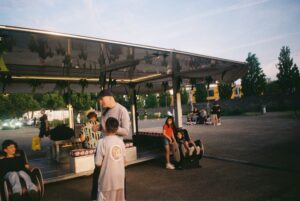
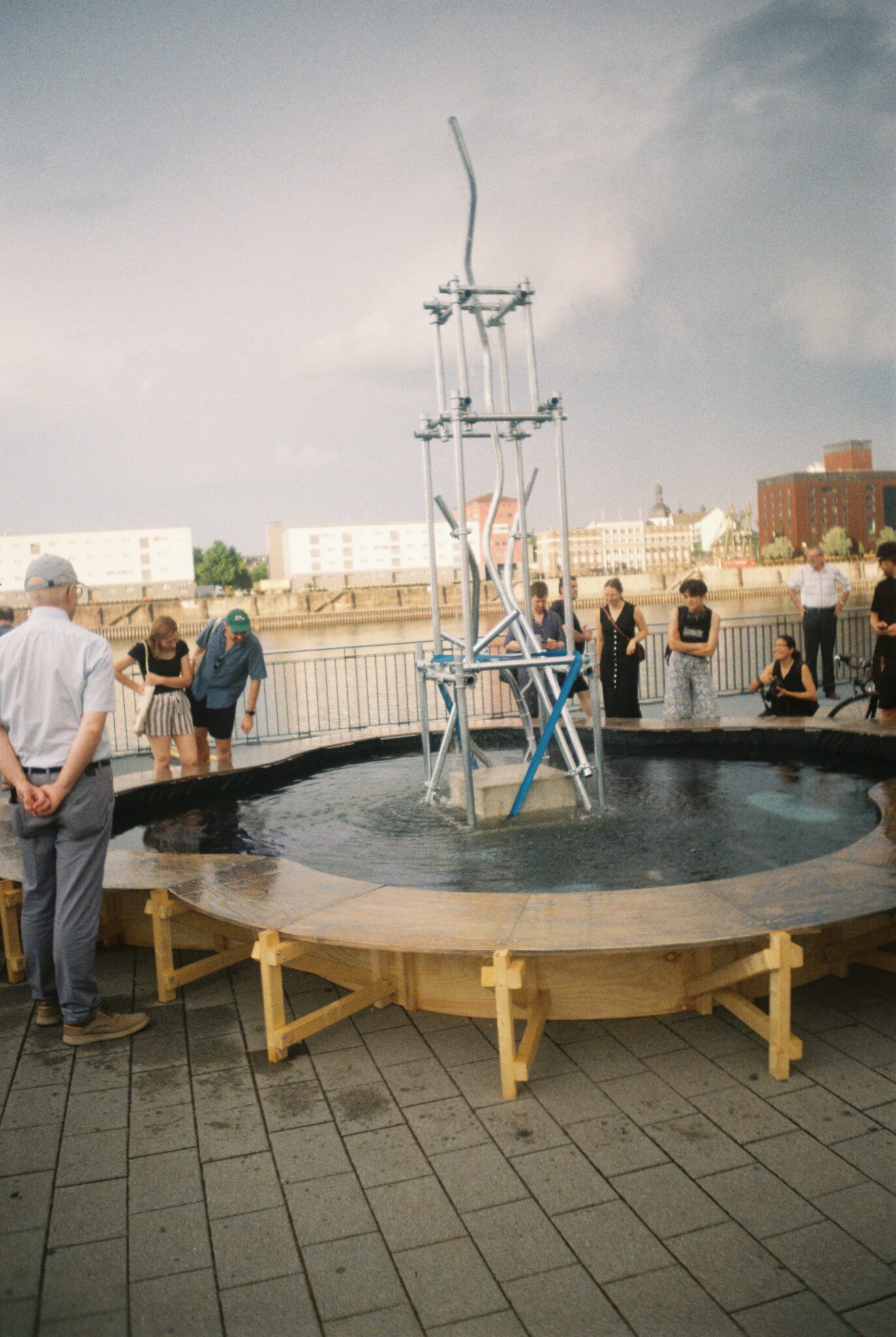
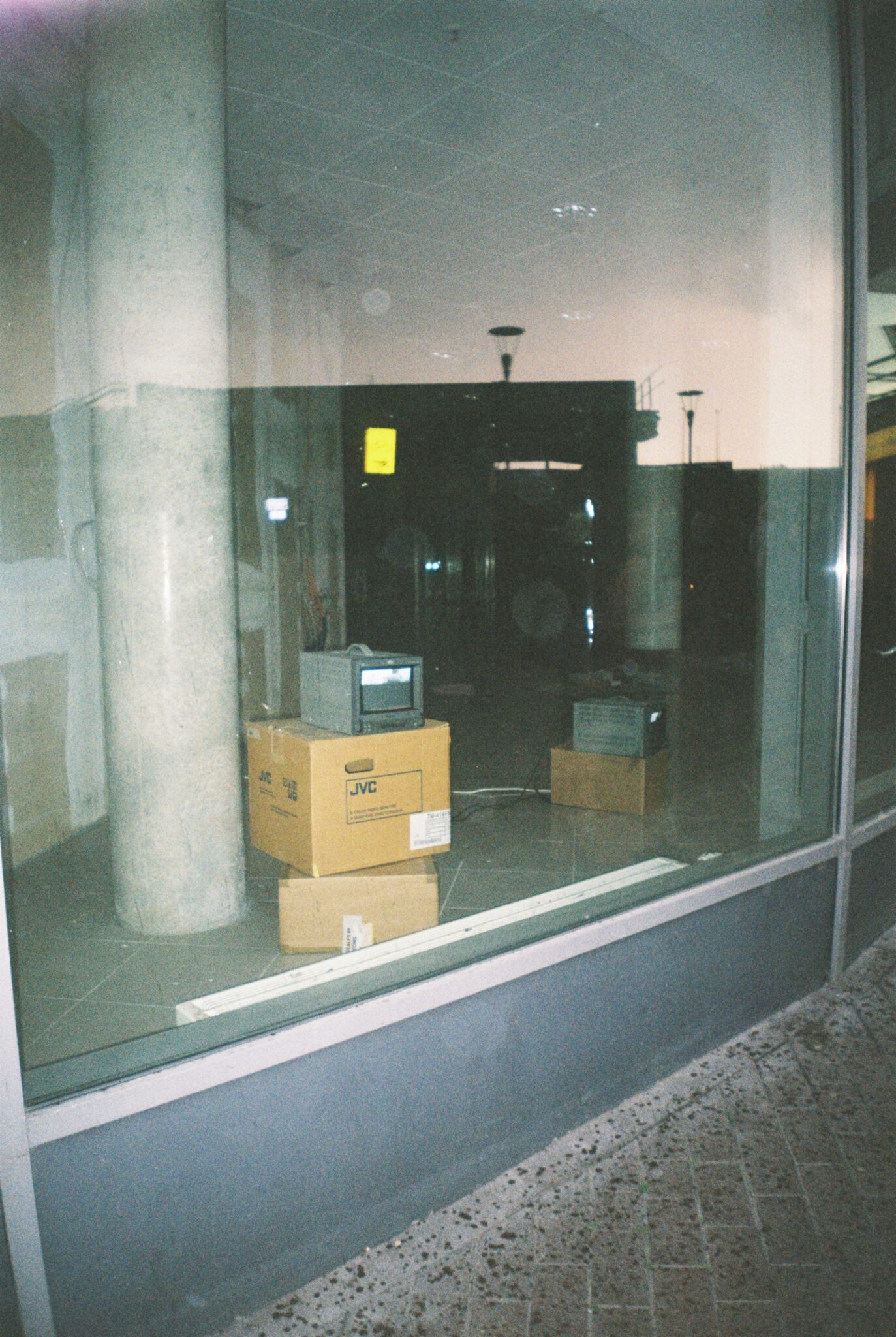
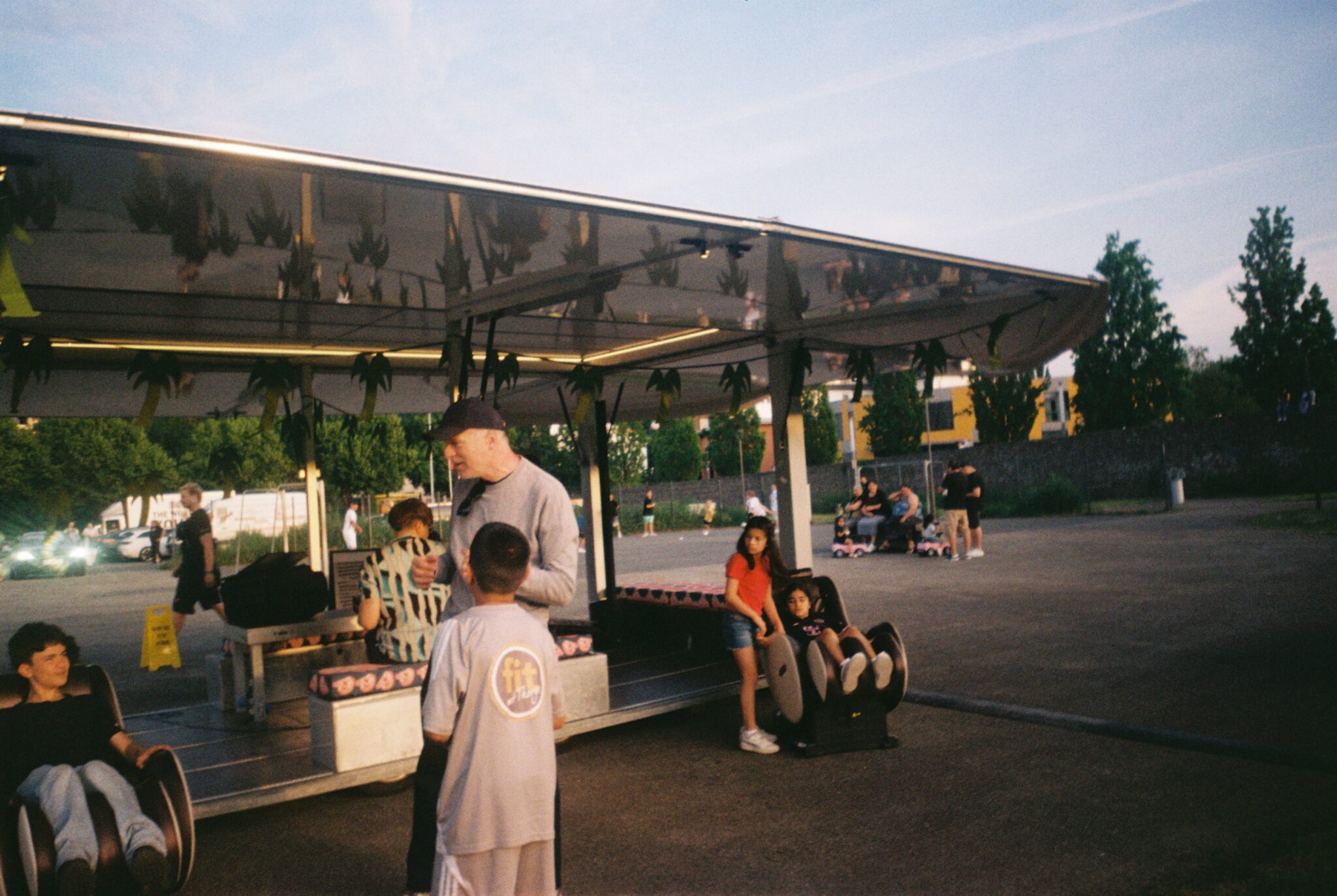
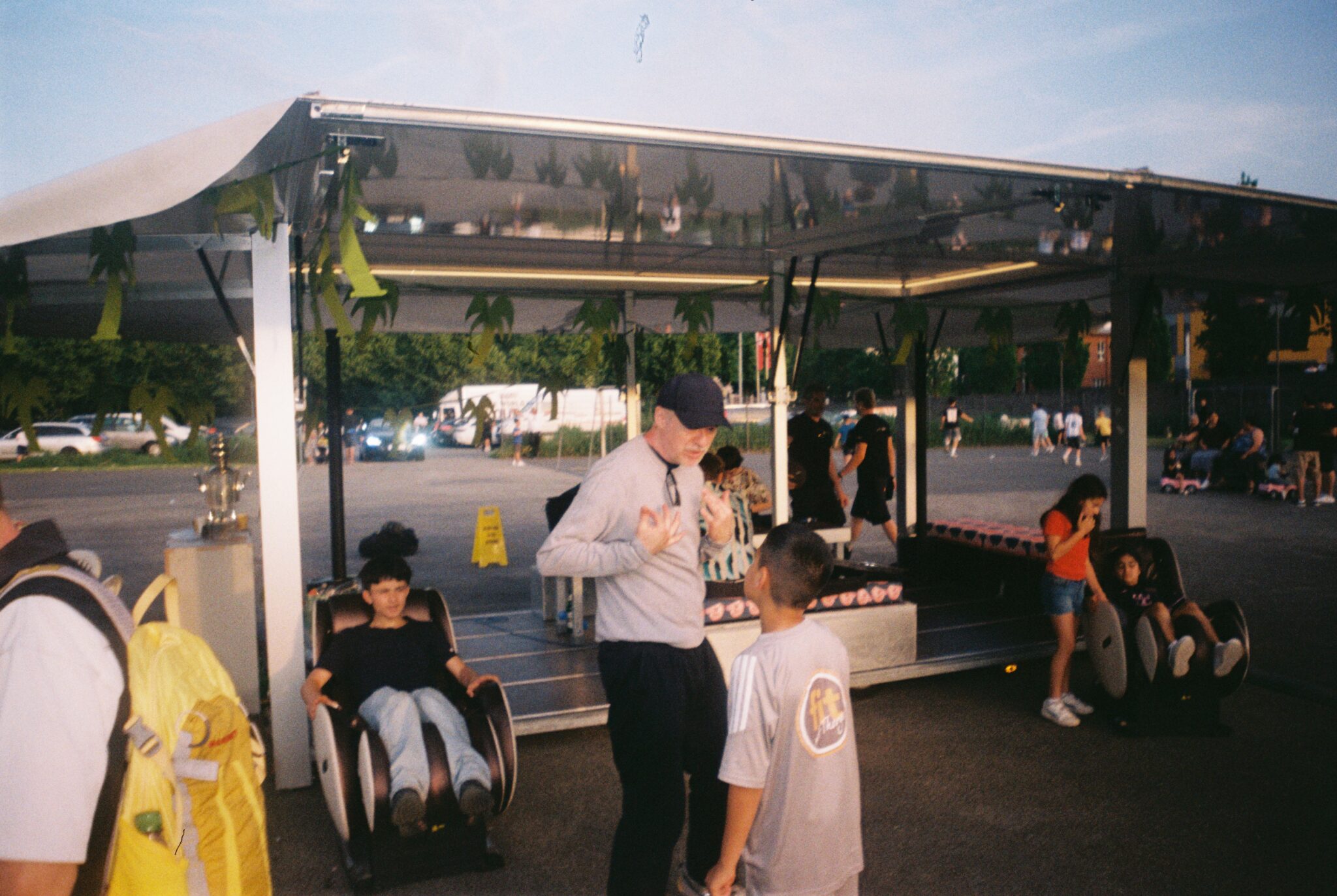
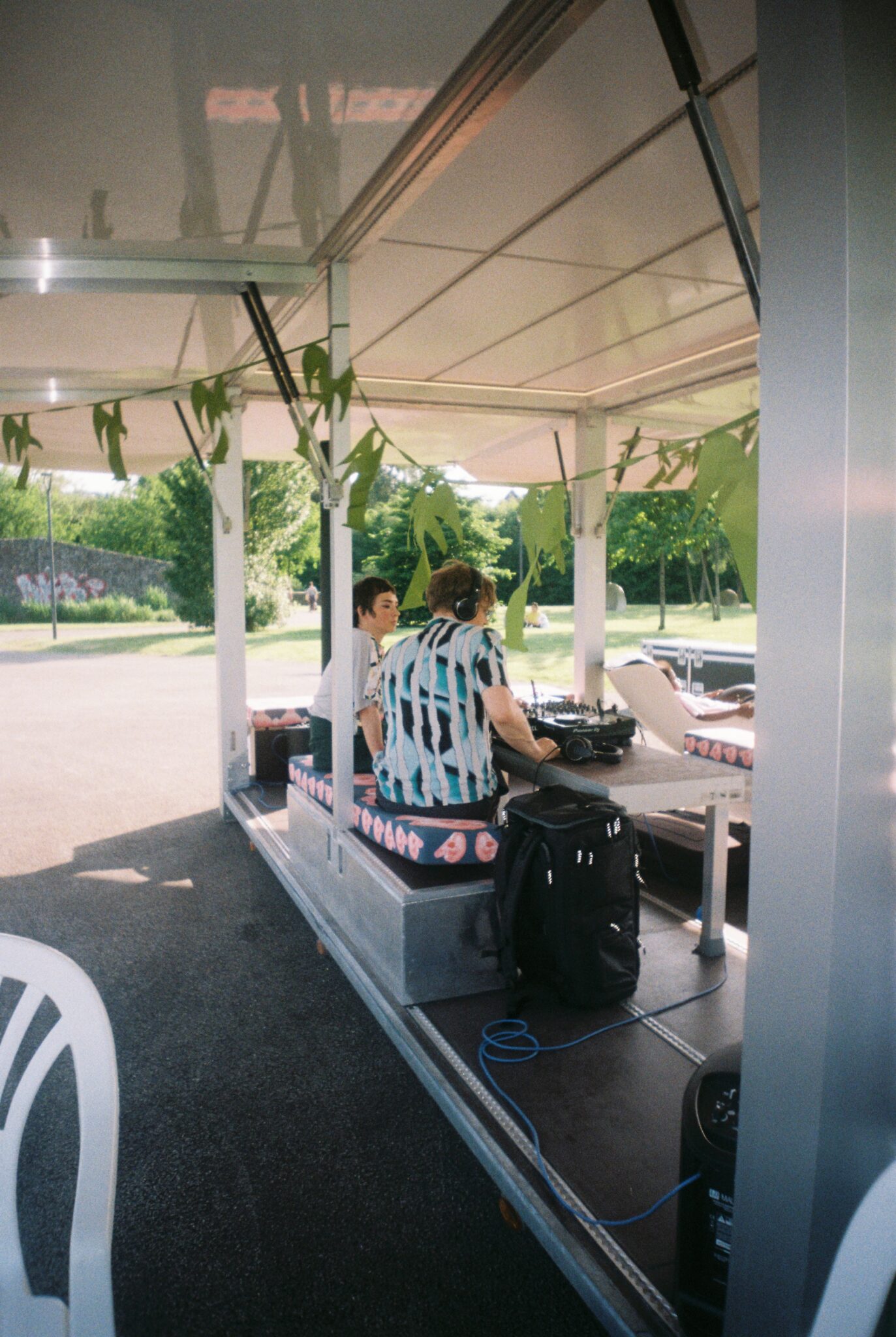
Meanwhile in Gevelsberg: A team of around six people is setting up the trailer, which has been delivered by lorry. The setup is completed within an hour in a car park within a park on the banks of the Ennepe. Everything needed has been brought along. Toilets are available at a nearby kebab shop. Works by Cem A. and Cosima von Bonin have been brought along. The selection of works from the collection’s storage facility in Bochum does not follow any fixed order, but is decided anew at each stop.
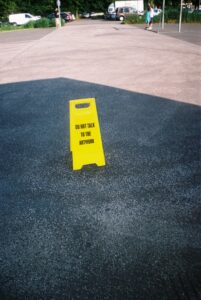
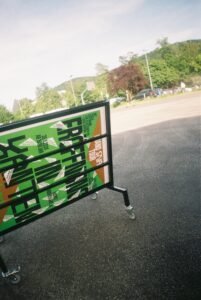
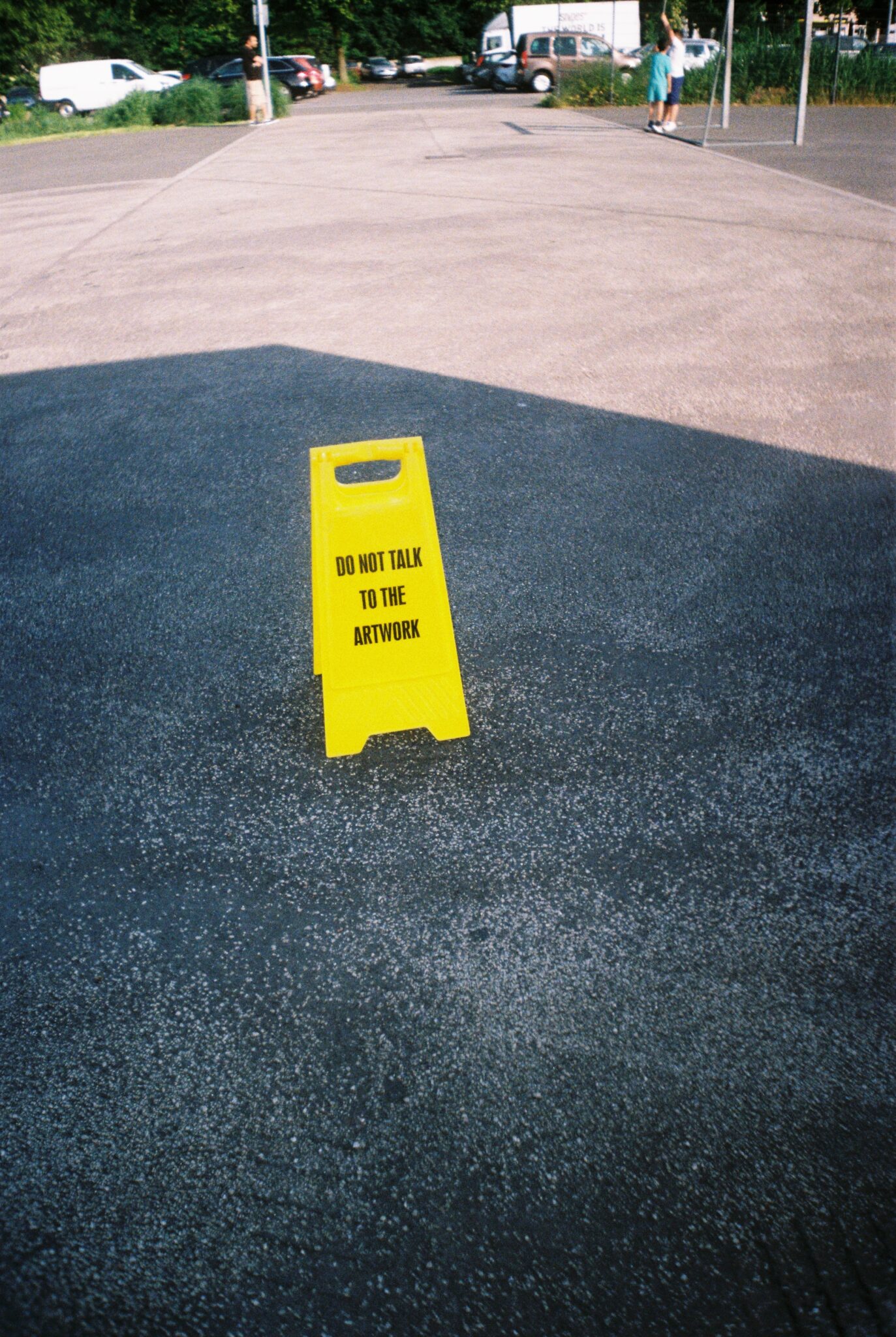
Some of Cosima von Bonin’s 7,000 palm trees are therefore fluttering by the trailer today. Stop signs by Cem A. are set up around the trailer. They encourage people to stop, but at the same time pose art-related questions or make statements; perhaps also serving as a point of contact between the public and the decentralised art institution. The question remains deliberately ambiguous: who, actually, is the public? Who does public space belong to? In Gevelsberg, this quickly becomes clear: the children.
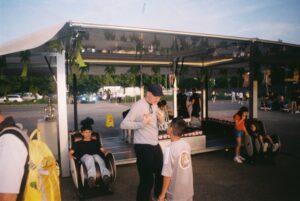
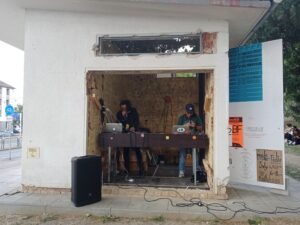
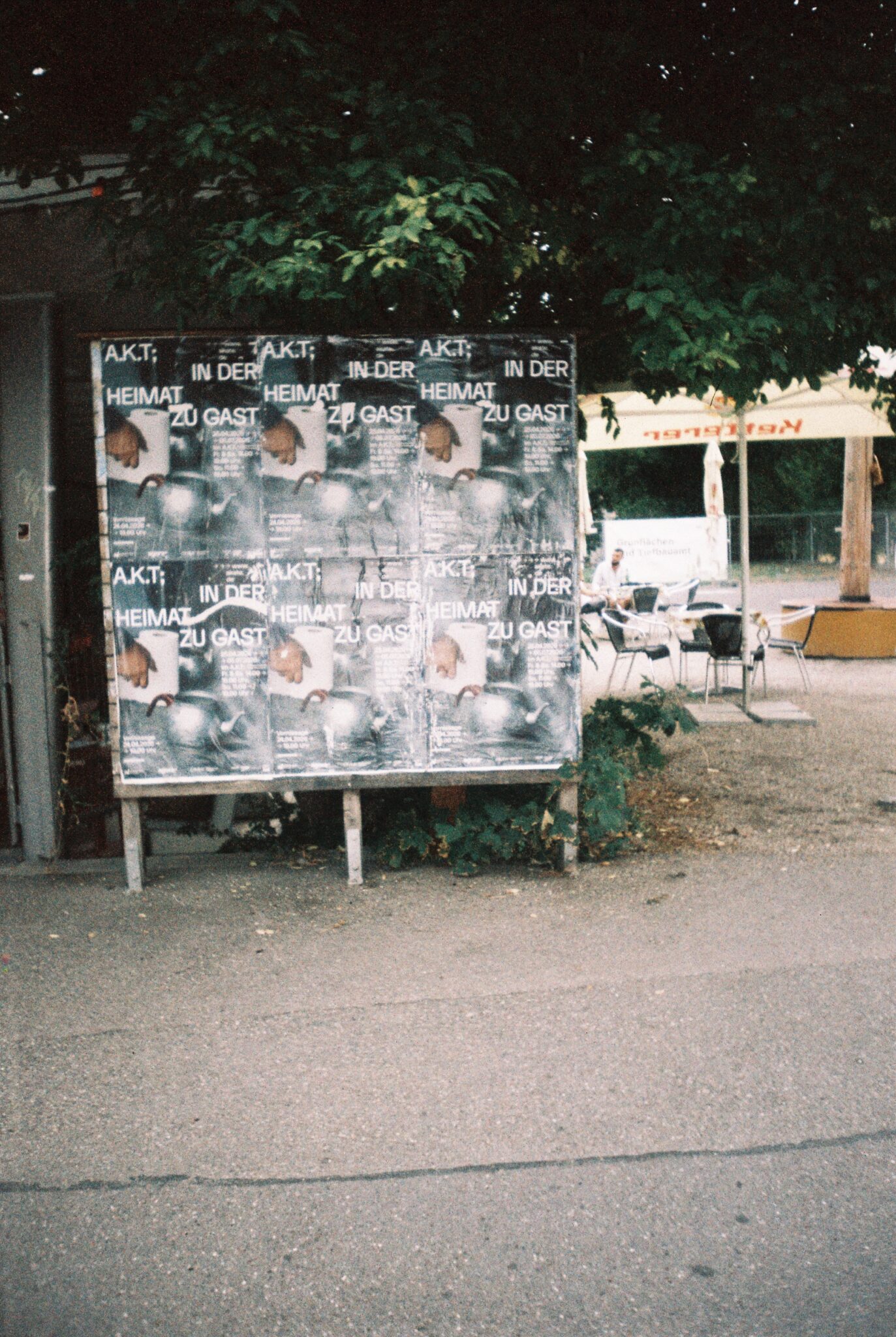
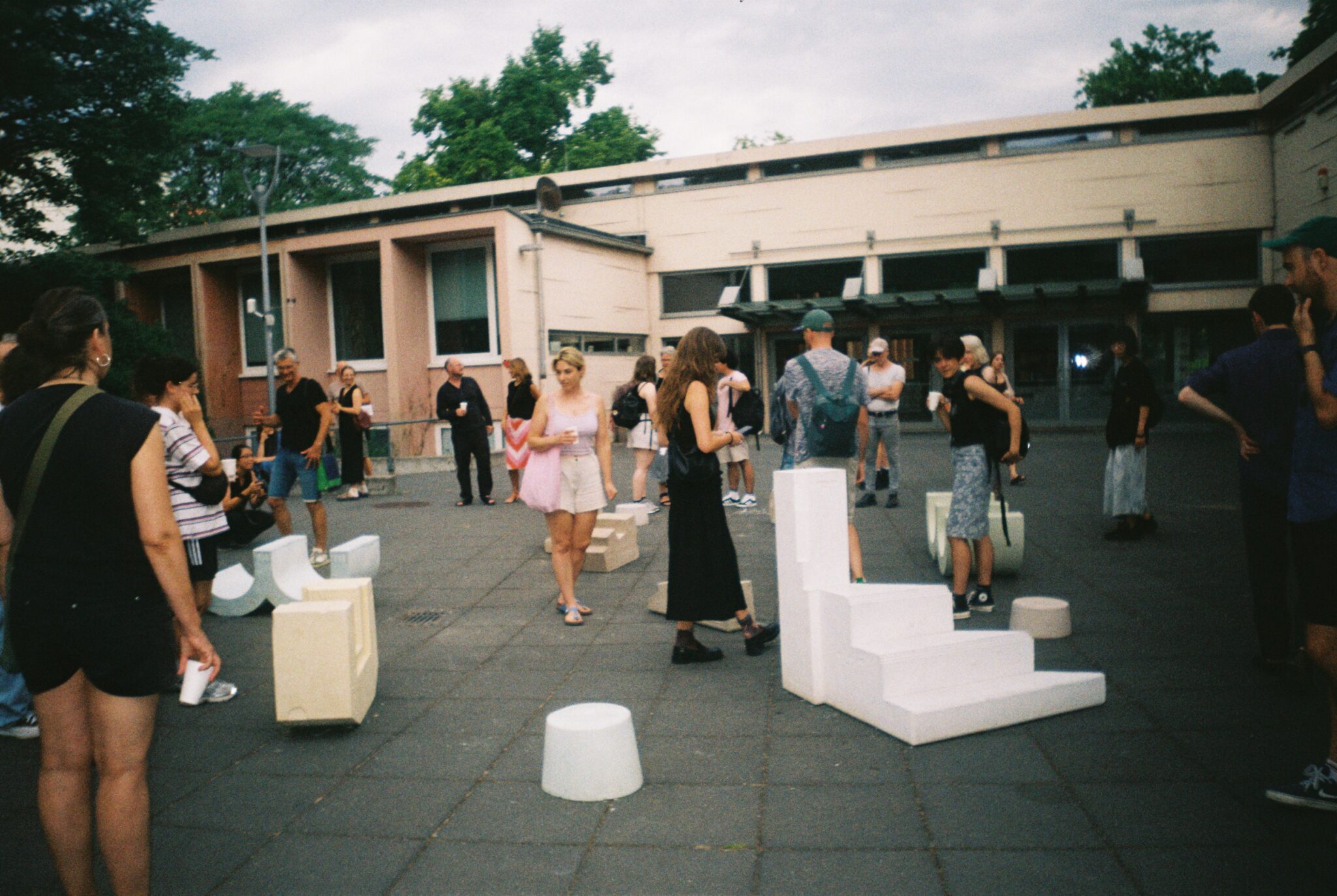
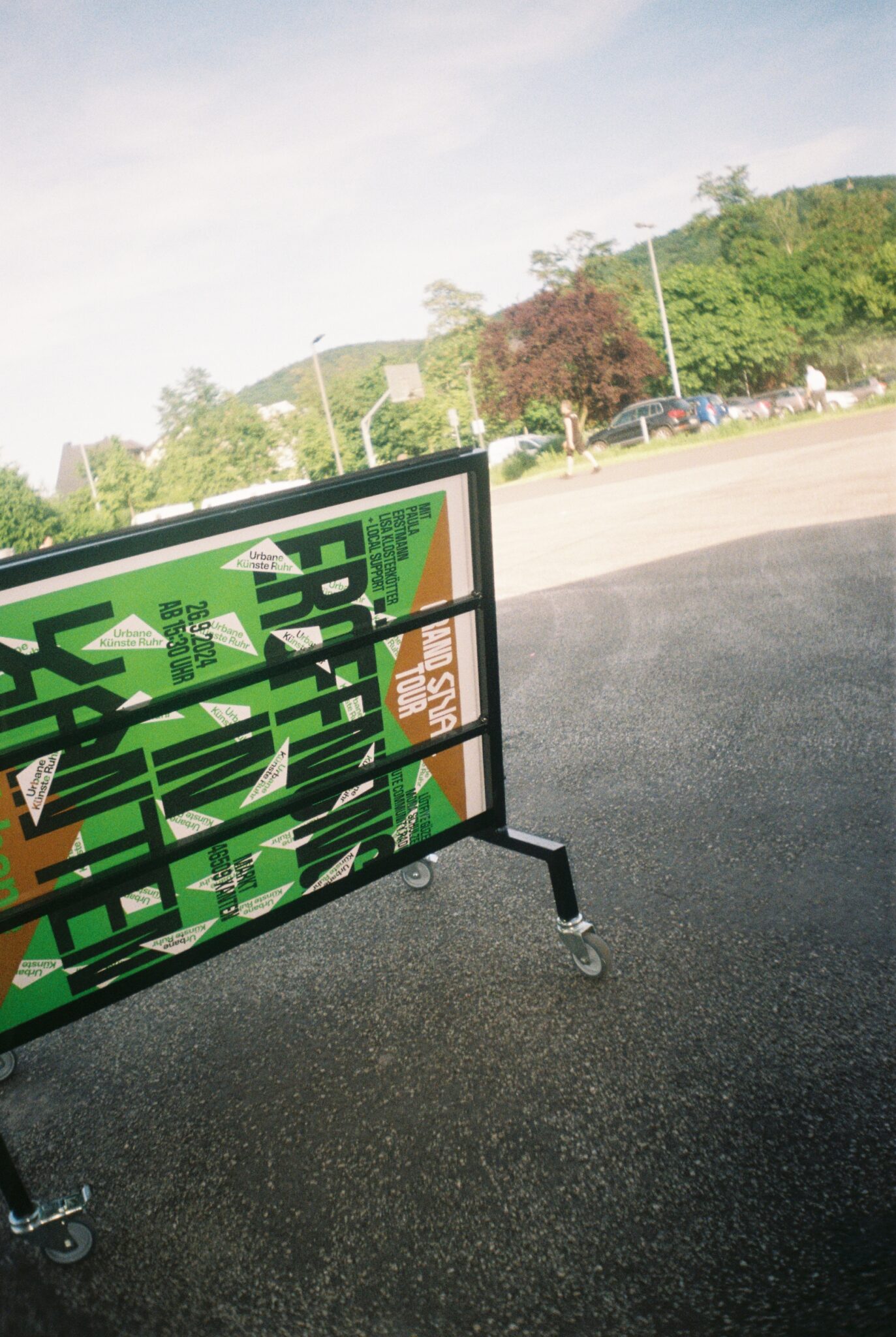
The car park doubles as a basketball court. Children are drawn to the trailer, not least because of the colouring books by the artist Stefan Marx, which were designed specifically for the Grand Snail Tourcollection . At each stop, there are posters which have been placed in a poster stand and can be taken away. A live performance set is provided by the DJ and live duo Kerima & normalmap, aka Jana Kerima Stolzer and Lex Rütten. They play throughout the entire duration of the event. The afternoon begins in a relaxing atmosphere and ends in the same way. The highlight is the arrival of the hiking group. Massage chairs are provided for the hikers – not as artistic objects, but as purely practical aids to recovery.
Returning
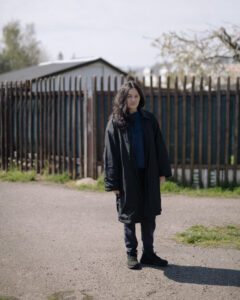
The project’s long-term nature also highlights how such movements can be documented at all. It is about nuances that are particularly significant within a movement and could easily be lost. To this end, the project works with chroniclers. The artist and author Yevgenia Belorusets was invited to contribute to Stations 28 and 29. The chronicle takes the form of a guest contribution: an additional, parallel perspective on the events on site, but also on the project itself.
Once all the stops have been visited after three years, there will be an exhibition. It will be interesting to see how the experiences of these three years are reflected in it, and how these experiences, in turn, shape the form of the exhibition. After that, the journey could well begin anew in Xanten. For after three years, much will have changed.
The Grand Snail Tour winds its way through a region where, with Manifesta 16 Ruhr and the Ruhrtriennale 2026, international exhibitions are taking place that are dedicated to the social, spatial and economic realities of the Ruhr region. Urbane Künste Ruhr, for its part, emerged from the legacy of the European Capital of Culture Ruhr.2010.
https://www.urbanekuensteruhr.de/
https://www.urbanekuensteruhr.de/grand-snail-tour